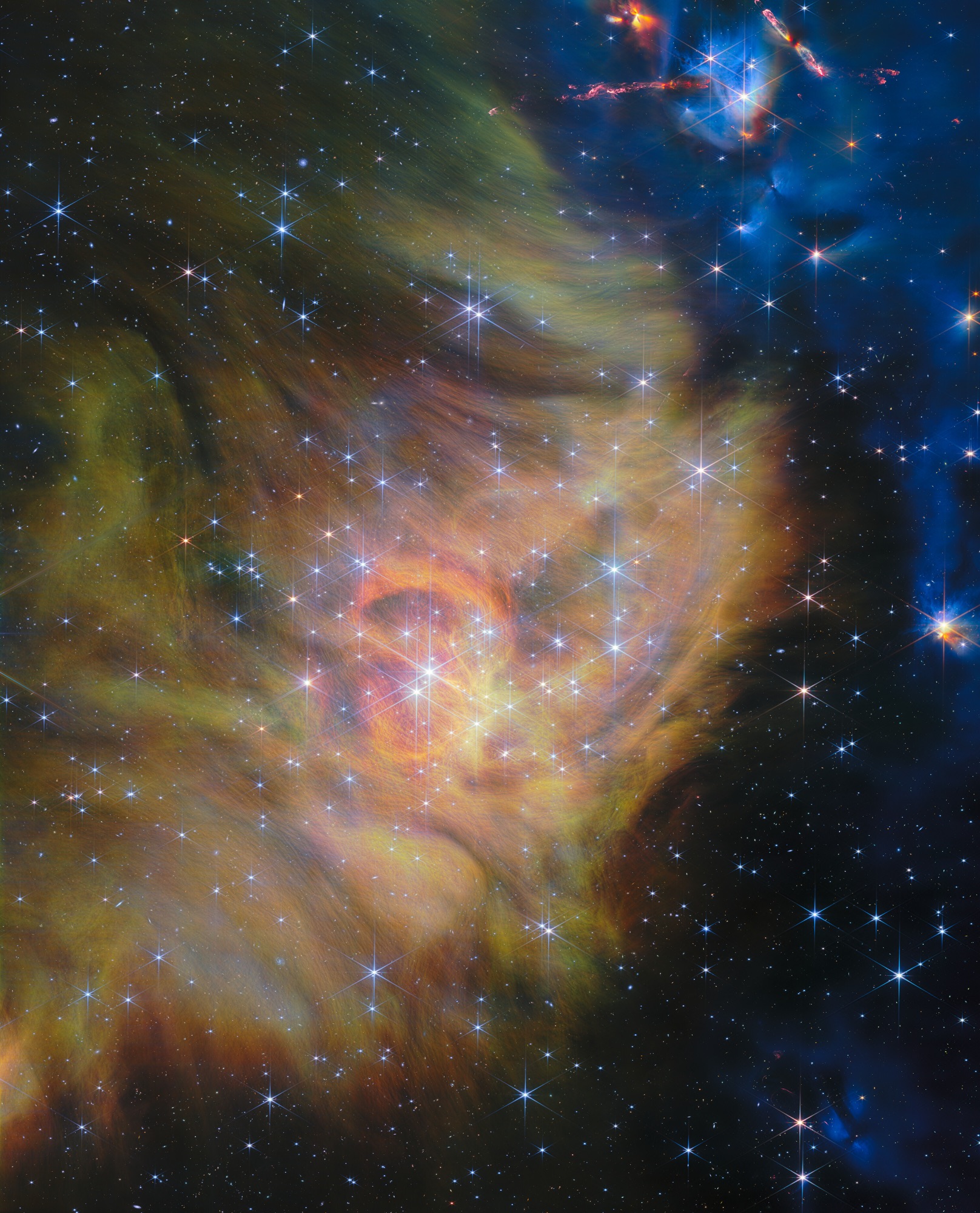
NASA’s 15 September release describes Webb observations of IC 348, a star-forming region about 1,000 light-years away in Perseus. Researchers identified exceptionally small brown dwarfs—objects that form like stars but lack sufficient mass to sustain ordinary hydrogen fusion.
The team used NIRCam images taken in 2024 to select candidates, then obtained spectroscopic observations with NIRSpec in 2025. NASA reports masses as low as twice Jupiter’s mass, challenging models of how small objects formed through this process can be.
What this source establishes
This brief summarises NASA’s account. It is not an independent assessment of the underlying paper. Image acquisition, follow-up observations and public release happened on different dates.
A three-judge Bench asked the Centre once more to consider accommodating students already in Class 6, framing the suggestion as a matter of student and family comfort rather than a ruling on the policy's validity.
A two-judge Bench of the Supreme Court has held that sameness of duties is no longer sufficient to claim pay parity without parity of experience, qualifications and source of recruitment, and upheld a higher pay scale for promoted Kerala teachers.